
ABOUT
Our History
The Arctic Athabaskan Council (AAC) was established in 2000 as an International Treaty Organization to advance the interests of Athabaskan Peoples in Alaska and Canada within the eight-nation Arctic Council and other international fora.
At its founding, AAC represented approximately 32,000 Indigenouspeoples of Athabaskan descent across Alaska, Yukon,and the Northwest Territories.
Since inception, AAC has been formally recognized as a Permanent Participant of the Arctic Council. It continues to evolve today as a strong and respected Indigenous voice within the Arctic Council and other circumpolar and international forums.
AAC is a strong advocate for meaningful Indigenous participation in pan-Arctic research, sustainable development, and policy planning, particularly in relation to climate change, the protection of Arctic Peoples, and the stewardship of shared lands and resources across Arctic jurisdictions.
AAC is one of six Indigenous Peoples’ Organizations (IPOs) within the Arctic Council and participates fully as a Permanent Participant alongside the eight Arctic States.
AAC is an incorporated organization governed by its own Board of Directors. In accordance with Canada guidelines, Directors, once appointed, do not represent any specific organization, political body, or region. While AAC works collaboratively with regional First Nation governments, leadership, and organizations, it remains a self-directed body and operates independently of other elected or political entities. AAC has always welcomed new membership and provides opportunities for participation at all levels.
The election and appointment of AAC Directors are governed by AAC by-laws. Directors have been elected and/or reaffirmed by AAC members (including the Dene Nation, Council of Yukon First Nations, Kaska Dena First Nations, Alaska Tribes and others) at the corporation’s Annual General Meeting (AGM) for a term of three years. In accordance with the by-laws, any appointments to the Board between AGMs may only be made by sitting directors to fill vacancies.
Currently, AAC’s Board of Directors includes members from the Northwest Territories, Yukon, and Alaska. In keeping with AAC governance guidelines, each Director represents the collective interests of AAC, as set out in its Mission Statement and Strategic Plan. AAC’s by-laws provide for a rotating International Chair. This position is currently held by Chief Bill Erasmus (Canada) until 2027.
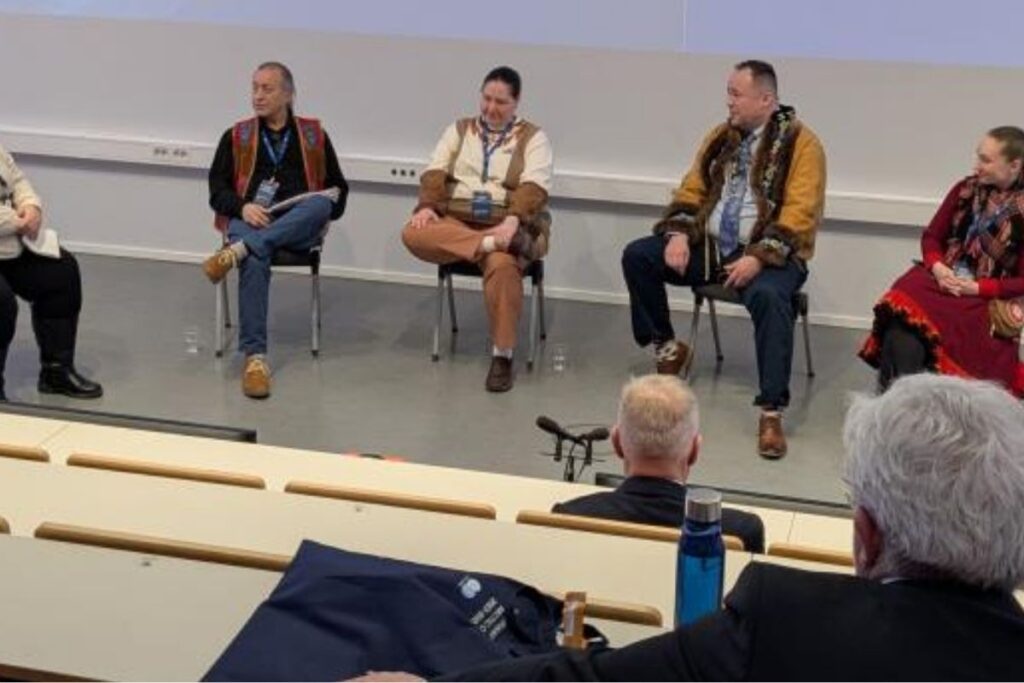
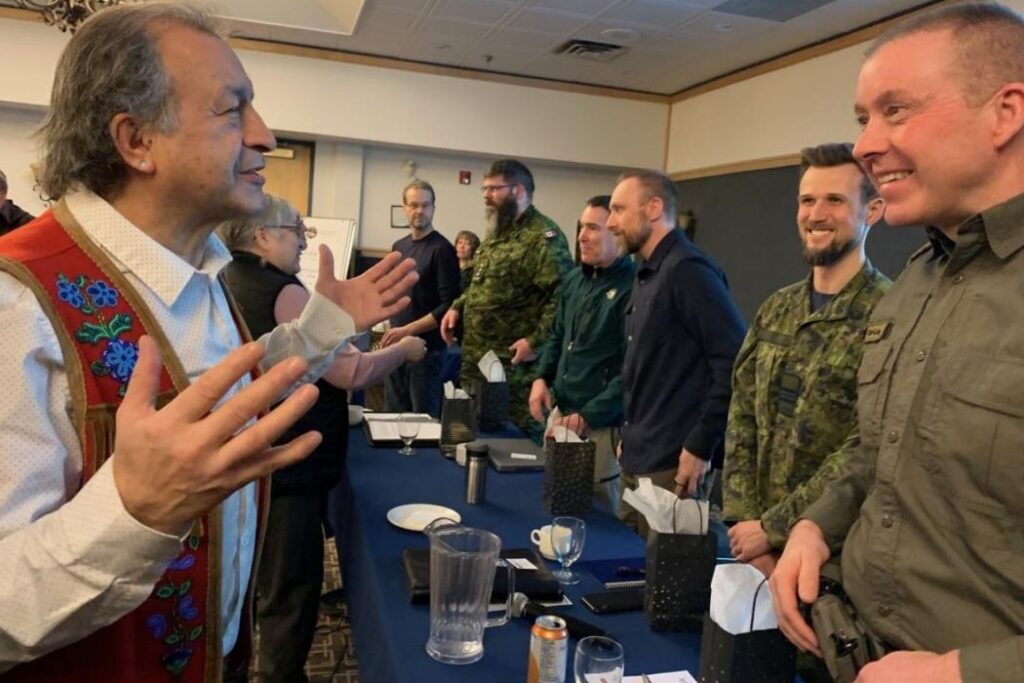
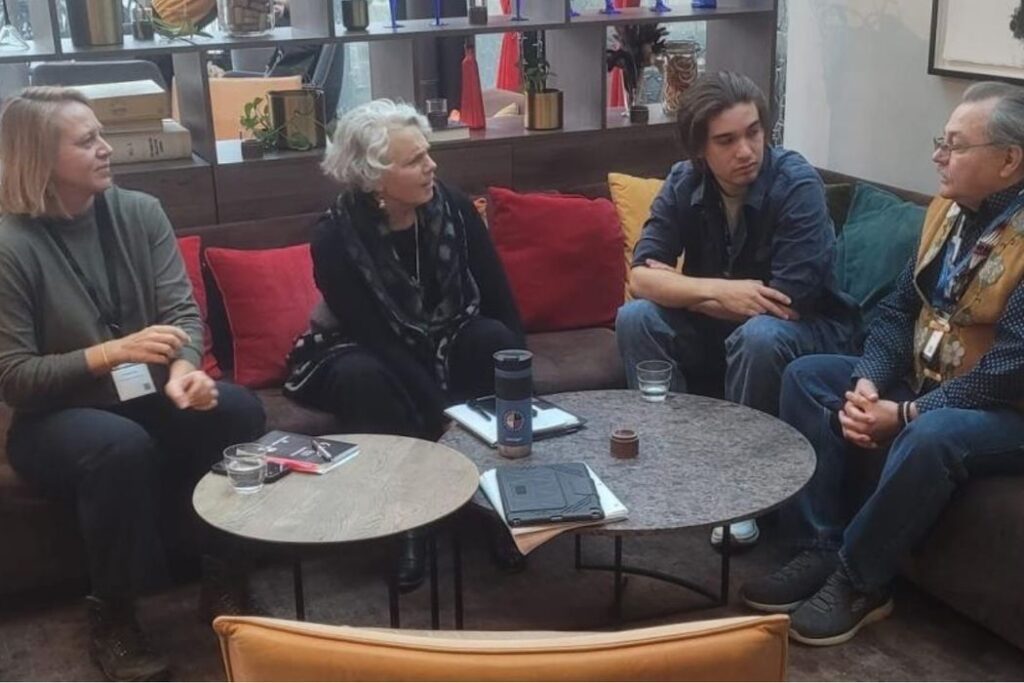
Our Journey Together: Strengthening Athabaskan Voices in the Arctic
As a Permanent Participant, AAC currently serves as co-lead on several joint initiatives with Arctic Council Working Groups that include Conservation of Arctic Flora and Fauna (CAFF); Emergency Prevention, Preparedness and Response (EPPR); Sustainable Development Working Group (SDWG) and the Arctic Monitoring and Assessment Programme (AMAP).
Through active outreach and funding from Justice Canada, Indigenous Services Canada, and Polar Knowledge Canada AAC is now co-leading with Canada to develop ways to fully recognize and implement the UNDRIP (United Nations Declaration on the Rights of Indigenous Peoples) into Arctic Council mandates, policies, and frameworks. AAC, though funding from Global Affairs Canada also fully supports the participating of Athabaskan researchers, youth and Elder representatives who attend the many important Arctic State forums and meetings.
AAC Senior Arctic Official table leads, Chief Gary Harrison and Chief Bill Erasmus regularly participate in leadership meetings of the Arctic Council.
Our Mandate
For generations, the governance and study of the Arctic have
been guided largely by Western ways of knowing, often failing to
fully recognize the knowledge, responsibilities, and authority of
Indigenous Peoples who have lived with and cared for these
lands and waters since time immemorial. Only in recent years
have circumpolar States begun to turn toward more respectful
and inclusive paths, seeking to listen, learn, and walk together in
addressing the profound challenges now facing the Arctic and its
Peoples.
As Indigenous Peoples of the Arctic, and as inheritors of
knowledge carried through our ancestors, languages, and lived
relationships with the land, AAC affirms the responsibility of
Indigenous knowledge systems. We honor opportunities to lead
and support the participation in research, collaboration, and
diplomacy that are grounded in Indigenous law and
governance, respect, reciprocity, and collective stewardship,
for the benefit of present and future generations.